• Who We Are
    • Natural Systems Utilities
    • About NSU
      • Our Story
      • Our Team
      • Our Partners
      • Our Careers
      • Bennett Environmental Associates
      • News
    • Our Projects
      • Battery Park
      • Domino Sugar Redevelopment
      • Gillette Stadium & Patriot Place
      • View All Projects
  • What We Do
    • Services
      • Design-Build
      • Design-Build-Operate
      • Operate
      • Maintenance
      • Ownership
      • Our Projects
    • Solutions
      • Environmental Consulting
      • Operations
      • Wastewater
      • Water Reuse
      • Water Supply
    • Sectors
      • Residential, Commercial, Mixed Use
      • Sporting Complex
      • Higher Education
      • Tech Campuses
      • Food & Beverage
      • Data Centers
      • Hospitals & Health Care
      • Hotels & Resorts
      • Municipal Government
  • Contact Us
  • Menu Menu

Natural Systems Utilities News

Kushner kicks off longa awaited 360 unit project

August 1, 2024/in News

Kushner has broken ground on a project that will bring 360 new apartments to Colts Neck, part of a sprawling, at times contentious development that is nearly 20 years in the making and will deliver the township’s first multifamily rentals.

Known as Livana Colts Neck, the community is set to rise along Route 537 on a 30-acre site just east of Route 18. That’s where Kushner joined local officials and members of its project team on Wednesday to mark the start of construction, which is slated to last through early 2027, with plans calling for 15 three-story buildings and a clubhouse that the firm says will evoke the landscape and tradition of an area known as New Jersey’s horse country.

Michael Sommer

“The best projects are typically the toughest ones, and this one clearly confirms it,” said Michael Sommer, Kushner’s chief development officer, who noted that the firm acquired the site in 2006 and received approvals to build 48 townhomes, but declined to move forward at the time. The developer later crafted a plan to build multifamily rentals that would help Colts Neck satisfy its state-mandated affordable housing obligations, giving way to a rezoning and approval process that came amid opposition from residents, environmental groups and some local officials.

“We’re thankful that these challenges are behind us,” Sommer added, “and we’re excited to move forward with this incredible project.”


Designed by Minno & Wasko Architects and Planners, buildings at Livana Colts Neck will have what Kushner described as a modern farmhouse exterior. The community at 7 Route 537 will have a mix of one-, two, and three-bedroom floorplans and upscale amenities such as a fitness center and a yoga studio, plus social and work-from-home spaces such as a clubroom, a lounge and conference rooms.

Outdoor spaces will include a swimming pool with pergolas, patio seating, grills, firepits and a dedicated dog park.

Nicole Kushner Meyer

“It has indeed been a long and challenging process to secure the necessary approvals, but every step has been driven by our commitment to creating something truly special for this community,” said Nicole Kushner Meyer, Kushner’s president. “Colts Neck is one of the most prestigious towns in New Jersey and is an equestrian haven. We have all believed in the potential of our state’s towns and cities to thrive and we are deeply committed to contributing positively to their growth and development.”

Sommer, meantime, said the groundbreaking was “a very special day” for both Colts Neck and Kushner, in that the project would create the first apartments ever built in the township. Reaching such a milestone required contributions from local officials and a long list of Kushner team members, Sommer said, while citing Minno & Wasko and many of the other outside firms involved in the project:

  • Fortress, the project’s lender
  • Giordano Halleran & Ciesla PC
  • Langan
  • Natural Systems Utilities
  • 11FIFTYNINE
  • Mulhern+Kulp
  • Sharpe Engineering
  • Cahn Communications

The event also marked Kushner’s third groundbreaking in Monmouth County in just over four months. The firm in May marked the start of construction at Monmouth Square, its planned redevelopment of the Monmouth Mall in Eatontown, where it plans to create a modern town center with 1,000 residential units, 900,000 square feet of retail, an active public green space and pedestrian pathways.

In late March, Kushner kicked off a project in Long Branch where it will build 299 apartments, a SuperFresh grocery market and a neighborhood café. The project will look to enhance the Lower Broadway corridor and connect downtown to the beachfront, all while integrating with the firm’s mixed-use Pier Village property.

In Colts Neck, Kushner executives noted that residents will have access to fresh retail options, a highly rated school district and prestigious golf clubs.

Laurent Morali

“Livana Colts Neck reaffirms our commitment to investing in Monmouth County through meaningful developments that enhance the quality of life for residents and serve as attractive additions to the towns and cities in which we invest,” CEO Laurent Morali said.

Representing the township on Wednesday was Deputy Mayor Tara Torchia Buss, who also acknowledged that the project “has been in the works for a very, very long time.” But with construction set to begin, she said local officials would look to embrace those residents who will arrive starting less than three years from now.

“I want to make sure that everybody here understands that we really want to be a welcoming community to all 360 units that are coming here,” she said. “There’s going to be a lot of people, and we’re going to partner with everybody.”


Article Courtesy of
https://nsuwater.com/wp-content/uploads/2024/12/Colts-Neck-Exterior-Rendering-2.jpg 450 800 Matthew McPherson https://nsuwater.com/wp-content/uploads/2024/02/New-NSU-logo.svg Matthew McPherson2024-08-01 14:36:072024-12-02 15:59:10Kushner kicks off longa awaited 360 unit project

NATURAL SYSTEMS UTILITIES ANNOUNCES EXECUTIVE LEADERSHIP CHANGES

June 6, 2024/in Announcement, News, Press Release

Hillsborough, NJ – Following the closing of the acquisition of Natural Systems Utilities (NSU) by Nijhuis Saur Industries, Saur’s Industrial Water Solutions Division in January this year, we are delighted to announce the following changes in the Executive Leadership Team as part of the implementation of our accelerated growth strategy and the successful integration in NSI’s global organization.

Effective June 1, 2024 Zach Gallagher has been promoted to President & Chief Executive Officer. Zach’s exceptional leadership and vision in his previous role as COO have been instrumental in the company’s success, and we are confident that he will lead NSU to new heights in his new role.

Debbie Burke has been promoted to Chief Administrative & Human Resources Officer. Debbie has consistently demonstrated her commitment to the team’s well-being and organizational efficiency. Her expanded role will allow her to further enhance our administrative and HR functions and support the expansion of the team.

Jen Cohn will be promoted to Vice President of Finance and Treasurer. Jen’s financial acumen and strategic insights have been invaluable, and we are excited to see her take on this critical leadership position.

Additionally, Bill Massa stepped down as Chief Executive Officer to serve as an Advisor to NSU. Bill’s leadership and dedication have been pivotal in our achievements, and we are grateful for his continued support in his new advisory role.

Bill Massa comments “It has been an honor and a privilege to work with this incredible team. I am extremely proud of what we have accomplished together. I leave the day to day business knowing that the leadership of this company is in great and experienced hands and we are now part of a market-leading company. Together with our group, Zach, Deb, and Jen will undoubtedly drive NSU to new successes. I look forward to continuing to support NSU in my new role and supporting the company’s continued growth and achievements.”

Zach  Gallagher comments “I am honored and excited to step into the role of CEO at NSU. I would like to thank Bill for his leadership and commitment to NSU and am grateful for the trust and confidence placed in me by the entire team. We are looking forward to building on our successes and working closely with NSI’s global team to continue driving our #MissionWater forward. Together, we will navigate this period of growth and integration, ensuring that NSU remains at the forefront of the industry and to make sure that our valued customers will fully benefit from the extensive portfolio of technologies, solutions, and services our group is offering to address the water challenges around the globe.

About Natural Systems Utilities (NSU):

NSU is a leader in distributed water reclamation and reuse innovation, currently operating over 300 systems across the United States, including the largest base of onsite reuse and natural treatment systems. NSU’s approach offers clients fully integrated and cost-effective solutions that incorporate award-winning innovations in system design. With over 40 years of experience, NSU has built the unique capability to structure a full range of design, build, operations and ownership project solutions. Their reputation has been built on best-in-class execution capability, and on long-term shared-value partnerships with the people and communities served.

www.nsuwater.com

https://nsuwater.com/wp-content/uploads/2024/06/Untitled-design-3.png 287 765 Matthew McPherson https://nsuwater.com/wp-content/uploads/2024/02/New-NSU-logo.svg Matthew McPherson2024-06-06 19:44:412024-06-06 21:26:54NATURAL SYSTEMS UTILITIES ANNOUNCES EXECUTIVE LEADERSHIP CHANGES

Ground-Breaking

April 22, 2024/in Announcement, News

On April 16, 2024, Natural Systems Utilities attended the ground-breaking at Northpoint’s Turnpike 1 commercial facility in Pilesgrove Township, Salem County, New Jersey. NSU designed, and is now building, a 70,000 gallon per day water treatment system with recharge to groundwater. Pictured third from left is Fred Heekin, Development Manager of Northpoint, and fifth from left is Adam G. Stern, PE, Vice-President of NSU.


https://nsuwater.com/wp-content/uploads/2024/04/Northpoint-Ground-Breaking-09-scaled.jpg 1707 2560 Matthew McPherson https://nsuwater.com/wp-content/uploads/2024/02/New-NSU-logo.svg Matthew McPherson2024-04-22 11:30:242024-04-22 11:30:24Ground-Breaking

Design-Build Water Reuse

April 19, 2024/in Blog, News

In the pursuit of sustainable water management, design-build water reuse projects are emerging as innovative solutions to address the pressing challenges of water scarcity and pollution. By integrating engineering expertise with holistic design principles, these projects harness the potential of water reuse to transform wastewater into a valuable resource. In this blog, we explore the concept of design-build water reuse, its benefits, implementation strategies, and the transformative impact it holds for creating more resilient and sustainable water systems.

Understanding Design-Build Water Reuse
Design-build water reuse involves a collaborative approach that integrates the design, construction, and operation of water reuse systems into a single, streamlined process. Unlike traditional project delivery methods that separate design and construction phases, design-build projects leverage interdisciplinary teams to optimize efficiency, minimize costs, and accelerate project delivery.

The Benefits of Design-Build Water Reuse
Enhanced Collaboration and Efficiency
Design-build projects foster collaboration between designers, engineers, contractors, and stakeholders from project inception to completion. By integrating diverse perspectives and expertise, these projects streamline decision-making processes, reduce project timelines, and enhance overall efficiency.

Customized Solutions and Innovation
Design-build approaches allow for flexibility and creativity in developing tailored water reuse solutions to meet specific project goals and site constraints. By fostering innovation and adaptive design principles, design-build projects can incorporate cutting-edge technologies and best practices to optimize system performance and maximize resource recovery.

Cost Savings and Risk Management
Design-build delivery methods offer potential cost savings by minimizing change orders, reducing project delays, and optimizing construction schedules. By bundling design and construction services under a single contract, design-build projects streamline project management and mitigate risks associated with coordination errors and communication breakdowns.

Strategies for Implementing Design-Build Water Reuse
Comprehensive Needs Assessment
Thorough site assessments and stakeholder engagement are essential for understanding project requirements, identifying water reuse opportunities, and defining project objectives. Conducting feasibility studies and risk assessments can help inform decision-making and guide the development of cost-effective and sustainable water reuse solutions.

Integrated Design and Planning
Integrating design and planning processes from the outset enables project teams to consider multiple factors, including site conditions, regulatory requirements, water quality objectives, and end-user needs. Adopting a holistic approach to design and planning facilitates the development of resilient and adaptable water reuse systems that optimize resource utilization and minimize environmental impacts.

Performance Monitoring and Optimization
Continuous monitoring and evaluation of water reuse systems are critical for ensuring operational efficiency, maintaining water quality standards, and identifying opportunities for optimization. Implementing robust monitoring protocols and data management systems enables project teams to track system performance, identify trends, and make informed decisions to enhance system reliability and effectiveness.

Conclusion: Shaping a Sustainable Water Future
Design-build water reuse projects represent a paradigm shift in water management, offering integrated solutions to address water scarcity, enhance resilience, and promote environmental sustainability. By leveraging interdisciplinary collaboration, innovative design principles, and adaptive management approaches, these projects have the potential to transform wastewater into a valuable resource for communities, industries, and ecosystems.

As we confront the challenges of a rapidly changing world, embracing design-build water reuse approaches is essential for creating resilient, resource-efficient water systems that meet the needs of present and future generations. Through strategic planning, stakeholder engagement, and a commitment to innovation, we can harness the power of design-build water reuse to build a more sustainable and water-secure future for all.

https://nsuwater.com/wp-content/uploads/2024/02/Water-Reuse-Earth-Graphic.png 533 545 Matthew McPherson https://nsuwater.com/wp-content/uploads/2024/02/New-NSU-logo.svg Matthew McPherson2024-04-19 15:37:522024-04-19 15:37:52Design-Build Water Reuse

World Water Day

March 22, 2024/in News

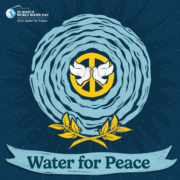
Water for peace

Water can create peace or spark conflict.

When water is scarce or polluted, or when people have unequal, or no access, tensions can rise between communities and countries.

More than 3 billion people worldwide depend on water that crosses national borders. Yet, only 24 countries have cooperation agreements for all their shared water.

As climate change impacts increase, and populations grow, there is an urgent need, within and between countries, to unite around protecting and conserving our most precious resource.

Public health and prosperity, food and energy systems, economic productivity and environmental integrity all rely on a well-functioning and equitably managed water cycle.

Creating a positive ripple effect

The theme of World Water Day 2024 is ‘Water for Peace’.

When we cooperate on water, we create a positive ripple effect – fostering harmony, generating prosperity and building resilience to shared challenges.

We must act upon the realization that water is not only a resource to be used and competed over – it is a human right, intrinsic to every aspect of life.

This World Water Day, we all need to unite around water and use water for peace, laying the foundations of a more stable and prosperous tomorrow.

https://www.un.org/en/observances/water-day

https://nsuwater.com/wp-content/uploads/2024/03/WWD2024_SocialMediaCards_ENGLISH-01.png 2250 2250 Matthew McPherson https://nsuwater.com/wp-content/uploads/2024/02/New-NSU-logo.svg Matthew McPherson2024-03-22 10:44:582024-03-22 10:44:58World Water Day

Sustainable Solutions: Water Reuse on College Campuses

March 15, 2024/in Blog, News

In the face of environmental challenges, the importance of sustainability has become increasingly evident. Among the myriad of issues, water scarcity stands out as a critical concern, prompting innovative solutions across various sectors. College campuses, as hubs of education and innovation, have a unique opportunity to lead by example in implementing sustainable practices. One such practice gaining traction is water reuse.

The Imperative of Water Reuse
Water scarcity is a pressing global issue exacerbated by factors like climate change, population growth, and inefficient water management. According to the United Nations, by 2025, an estimated 1.8 billion people will be living in regions with absolute water scarcity, with two-thirds of the world’s population potentially facing water-stressed conditions. In this context, finding sustainable ways to manage and conserve water resources is paramount.

College campuses, with their substantial water consumption due to academic, residential, and recreational activities, can significantly contribute to water conservation efforts. Implementing water reuse systems not only reduces water demand but also promotes a culture of environmental responsibility among students, faculty, and staff.

Strategies for Water Reuse
Greywater Recycling
Greywater, wastewater generated from activities like bathing, laundry, and dishwashing, can be treated and reused for non-potable purposes such as landscape irrigation, toilet flushing, and cooling systems. Installing greywater recycling systems on college campuses offers a practical way to minimize freshwater consumption for non-drinking purposes.

Rainwater Harvesting
Rainwater harvesting involves collecting and storing rainwater for later use. College campuses can utilize rainwater for landscaping, flushing toilets, and other non-potable applications. Implementing rainwater harvesting systems not only reduces reliance on municipal water sources but also mitigates stormwater runoff, which can help prevent pollution of local water bodies.

Onsite Wastewater Treatment
Onsite wastewater treatment facilities can treat sewage and wastewater generated on campus to a quality suitable for non-potable reuse. These systems utilize various treatment processes such as filtration, biological treatment, and disinfection to purify wastewater. By treating and reusing wastewater locally, colleges can reduce their environmental impact and decrease their dependence on centralized wastewater treatment facilities.

Benefits of Water Reuse on College Campuses
Environmental Sustainability
Implementing water reuse systems helps colleges reduce their environmental footprint by conserving precious freshwater resources and minimizing wastewater discharge into the environment. By adopting sustainable water management practices, campuses can contribute to the preservation of ecosystems and biodiversity.

Cost Savings
Water reuse initiatives can lead to significant cost savings for college campuses in the long run. By reducing water consumption and wastewater discharge, colleges can lower their utility bills and operational expenses. Additionally, investing in water reuse infrastructure may qualify campuses for government incentives or rebates, further enhancing financial benefits.

Educational Opportunities
Water reuse initiatives provide valuable learning opportunities for students across various disciplines, including environmental science, engineering, and sustainability studies. Incorporating water reuse projects into curricula allows students to gain practical experience and develop skills relevant to addressing real-world environmental challenges.

Conclusion
Water reuse presents a sustainable solution for college campuses to manage water resources efficiently and reduce their environmental impact. By implementing greywater recycling, rainwater harvesting, onsite wastewater treatment, and other water reuse strategies, campuses can promote environmental sustainability, achieve cost savings, and provide educational opportunities for students. As stewards of the future, colleges have a responsibility to lead by example and inspire positive change in water management practices. Through collective efforts, we can create a more sustainable and resilient future for generations to come.

https://nsuwater.com/wp-content/uploads/2024/02/Water-Reuse-Earth-Graphic.png 533 545 Matthew McPherson https://nsuwater.com/wp-content/uploads/2024/02/New-NSU-logo.svg Matthew McPherson2024-03-15 15:02:182024-04-19 15:09:41Sustainable Solutions: Water Reuse on College Campuses

Black Water Reuse: Pioneering Sustainable Solutions for a Water-Scarce World

March 8, 2024/in Blog, News

In the quest for sustainable water management, innovative approaches are essential to address the pressing challenges of water scarcity and pollution. Among these approaches, black water reuse stands out as a pioneering solution with the potential to revolutionize how we manage wastewater. In this blog, we delve into the concept of black water reuse, its benefits, challenges, and its role in creating a more sustainable future.

Understanding Black Water Reuse
Black water refers to wastewater generated from toilets, kitchen sinks, and dishwashers, containing organic matter and pathogens. Traditionally, black water is treated in centralized wastewater treatment plants before being discharged into water bodies. However, this process consumes significant energy and resources, and the treated water is typically not reused due to concerns about its quality.

Black water reuse involves treating and purifying wastewater from toilets and other sources to a level suitable for non-potable applications such as landscape irrigation, toilet flushing, and industrial processes. Advanced treatment technologies, including membrane filtration, ultraviolet disinfection, and biological processes, are employed to remove contaminants and pathogens, producing high-quality reclaimed water.

Benefits of Black Water Reuse
Water Conservation
Black water reuse conserves freshwater resources by reducing the demand for potable water. Instead of using drinking water for non-potable purposes like irrigation and flushing toilets, reclaimed black water can fulfill these needs, alleviating pressure on strained water supplies.

Nutrient Recovery
Black water contains valuable nutrients such as nitrogen and phosphorus, which can be recovered and reused as fertilizer in agriculture or landscaping. By capturing and recycling these nutrients, black water reuse closes the loop in nutrient management, reducing reliance on synthetic fertilizers and minimizing nutrient pollution in water bodies.

Energy Savings
Traditional wastewater treatment consumes significant energy for pumping, aeration, and treatment processes. By decentralizing treatment through on-site or community-scale black water reuse systems, energy consumption can be reduced, leading to lower carbon emissions and operational costs.

Challenges and Considerations
Regulatory Framework
Implementing black water reuse systems requires navigating complex regulatory frameworks governing water quality and reuse. Regulatory agencies may have stringent requirements for water treatment and quality standards, posing challenges for widespread adoption of black water reuse technologies.

Public Perception
Overcoming public perception and acceptance barriers is crucial for the success of black water reuse initiatives. Despite technological advancements ensuring the safety and quality of reclaimed water, concerns about health risks and stigma associated with wastewater reuse persist among stakeholders.

Infrastructure and Investment
Deploying black water reuse infrastructure entails significant upfront investment in treatment technologies, distribution systems, and monitoring equipment. Securing funding and garnering support from stakeholders, including government agencies, utilities, and communities, is essential to overcome financial barriers and scale up adoption.

Conclusion: Embracing Innovation for a Sustainable Future
Black water reuse represents a paradigm shift in wastewater management, offering a sustainable alternative to conventional treatment and disposal practices. By harnessing advanced technologies and fostering collaboration among policymakers, industry stakeholders, and the public, we can overcome challenges and realize the full potential of black water reuse to conserve water, recover valuable resources, and mitigate environmental impacts.

As we confront the urgent challenges of water scarcity and pollution, embracing innovation and adopting holistic approaches to water management are imperative. Black water reuse exemplifies the transformative power of technology and collaboration in shaping a more sustainable and resilient future for generations to come. Let us seize the opportunity to harness the potential of black water reuse and pave the way towards a water-secure world.

https://nsuwater.com/wp-content/uploads/2024/02/Water-Reuse-Earth-Graphic.png 533 545 Matthew McPherson https://nsuwater.com/wp-content/uploads/2024/02/New-NSU-logo.svg Matthew McPherson2024-03-08 15:06:462024-04-19 15:09:00Black Water Reuse: Pioneering Sustainable Solutions for a Water-Scarce World

Navigating the Waves of Change: Recent Water Regulation Updates in the United States

February 19, 2024/in Blog, News

In the realm of environmental stewardship, water regulation plays a pivotal role in safeguarding precious water resources and ensuring public health. Over time, these regulations evolve in response to scientific advancements, changing societal needs, and emerging environmental challenges. In this blog, we explore recent water regulation changes in the United States, highlighting key developments and their implications for water management and conservation efforts nationwide.

The Clean Water Act: A Foundation for Environmental Protection
Enacted in 1972, the Clean Water Act (CWA) serves as a cornerstone of water quality regulation in the United States. The CWA aims to restore and maintain the chemical, physical, and biological integrity of the nation’s waters by regulating pollutant discharges into navigable waters and establishing water quality standards. Under the CWA, the Environmental Protection Agency (EPA) sets regulatory guidelines and collaborates with state and tribal governments to enforce water quality standards and implement pollution control programs.

Recent Regulatory Updates and Initiatives
Waters of the United States (WOTUS) Rule
One of the most significant recent developments in water regulation is the revision of the Waters of the United States (WOTUS) rule. The WOTUS rule, originally promulgated in 2015, defines the scope of waters protected under the Clean Water Act. In 2020, the EPA and the Army Corps of Engineers repealed and replaced the 2015 WOTUS rule with the Navigable Waters Protection Rule (NWPR). The NWPR narrows the definition of federally regulated waters, reducing federal oversight over certain ephemeral streams, wetlands, and other water bodies. Proponents argue that the NWPR provides regulatory certainty and reduces federal overreach, while critics express concerns about potential impacts on water quality and habitat protection.

Lead and Copper Rule Revisions
In December 2020, the EPA finalized revisions to the Lead and Copper Rule (LCR), which governs drinking water quality standards and lead contamination in drinking water systems. The updated LCR strengthens testing and reporting requirements, enhances corrosion control measures, and expands public notification and transparency provisions. The revisions aim to improve public health protections and reduce exposure to lead in drinking water, particularly in vulnerable communities disproportionately affected by lead contamination.

PFAS Regulation
Per- and polyfluoroalkyl substances (PFAS) are a group of synthetic chemicals widely used in industrial and consumer products, known for their persistence and potential adverse health effects. Recognizing the growing concern over PFAS contamination, the EPA has initiated regulatory actions to address PFAS pollution in drinking water and the environment. Efforts include monitoring and testing programs, research initiatives, and the development of regulatory standards for PFAS in drinking water and wastewater discharges.

Implications and Future Directions
Recent water regulation changes in the United States reflect ongoing efforts to adapt to evolving environmental and public health challenges. While these updates represent progress towards enhancing water quality and protection, they also raise questions and debates about regulatory effectiveness, stakeholder engagement, and equitable implementation.

As we navigate the waves of change in water regulation, collaboration among government agencies, stakeholders, and communities is essential to address complex water management issues effectively. By fostering dialogue, innovation, and collective action, we can strive towards a future where clean, safe, and accessible water is a fundamental right for all.

In conclusion, staying informed about recent water regulation changes and actively engaging in water policy discussions empowers individuals and communities to contribute to sustainable water management and environmental conservation efforts. Together, we can chart a course towards a more resilient and water-secure future for generations to come.

https://nsuwater.com/wp-content/uploads/2024/02/Water-Reuse-Earth-Graphic.png 533 545 Matthew McPherson https://nsuwater.com/wp-content/uploads/2024/02/New-NSU-logo.svg Matthew McPherson2024-02-19 15:10:182024-04-19 15:13:22Navigating the Waves of Change: Recent Water Regulation Updates in the United States

Addressing Water Scarcity

February 13, 2024/in Blog, News

Water, the elixir of life, sustains ecosystems, nourishes communities, and drives economies. However, as global populations rise, industrialization expands, and climate change intensifies, the specter of water scarcity looms ever larger. In this blog, we delve into the complexities of water scarcity, its causes, impacts, and the urgent need for collective action to secure this precious resource for future generations.

The Anatomy of Water Scarcity
Water scarcity arises when the demand for freshwater exceeds the available supply, leading to competition and conflict over water resources. It manifests in various forms, including physical scarcity, where the quantity of water is insufficient to meet demand, and economic scarcity, where water is available but inaccessible due to infrastructure limitations or financial constraints.

Causes of Water Scarcity
Population Growth
Rapid population growth exacerbates water scarcity by increasing water demand for drinking, sanitation, agriculture, and industry. As urbanization accelerates and rural-to-urban migration intensifies, the strain on water resources intensifies, particularly in densely populated regions.

Climate Change
Climate change disrupts precipitation patterns, exacerbating droughts, floods, and extreme weather events. Rising temperatures accelerate evaporation rates, diminish snowpack, and alter hydrological cycles, reducing water availability in many regions and exacerbating water stress.

Unsustainable Water Management
Inefficient water use practices, over-extraction of groundwater, pollution of water sources, and inadequate infrastructure contribute to water scarcity. Poor governance, lack of regulation, and competing interests further exacerbate water management challenges, perpetuating water scarcity and inequality.

Impacts of Water Scarcity
Environmental Degradation
Water scarcity threatens ecosystems, leading to habitat loss, biodiversity decline, and degradation of freshwater ecosystems. Reduced water availability affects aquatic species, disrupts migration patterns, and exacerbates ecosystem imbalances, jeopardizing the services they provide.

Socioeconomic Disparities
Water scarcity disproportionately impacts vulnerable populations, exacerbating poverty, food insecurity, and social inequality. Limited access to clean water and sanitation undermines health outcomes, hinders economic development, and perpetuates cycles of poverty and deprivation.

Conflict and Migration
Competition over water resources can exacerbate tensions between communities, regions, and nations, leading to conflict and displacement. Water-related disputes over transboundary rivers, shared aquifers, and access to water infrastructure pose significant geopolitical challenges and security risks.

Addressing Water Scarcity: A Call to Action
Sustainable Water Management
Promoting water conservation, efficiency, and reuse is essential for mitigating water scarcity and ensuring sustainable water management. Investing in water-saving technologies, improving irrigation practices, and implementing integrated water resource management approaches can enhance water resilience and alleviate pressure on finite water resources.

Climate Adaptation and Resilience
Adapting to climate change and building resilience to its impacts is critical for addressing water scarcity. Implementing climate-smart agricultural practices, restoring watersheds, and investing in climate-resilient infrastructure can enhance water security and minimize vulnerability to extreme weather events.

Collaboration and Governance
Addressing water scarcity requires collaboration and cooperation among stakeholders, including governments, communities, businesses, and civil society organizations. Strengthening water governance frameworks, fostering stakeholder engagement, and promoting equitable access to water resources are essential for addressing the root causes of water scarcity and building a more sustainable water future.

Conclusion: A Shared Responsibility
Water scarcity is a complex and multifaceted challenge that demands urgent action and collective solutions. By understanding its causes, addressing its impacts, and prioritizing sustainable water management practices, we can chart a course towards a more water-secure and resilient future for all.

As stewards of this precious resource, we each have a role to play in conserving water, promoting equitable access, and advocating for policies that prioritize water security. Together, let us rise to the challenge of water scarcity with determination, innovation, and solidarity, ensuring that future generations inherit a world where water is abundant, accessible, and sustainably managed.

https://nsuwater.com/wp-content/uploads/2024/02/Water-Reuse-Earth-Graphic.png 533 545 Matthew McPherson https://nsuwater.com/wp-content/uploads/2024/02/New-NSU-logo.svg Matthew McPherson2024-02-13 15:24:132024-04-19 15:31:29Addressing Water Scarcity

Innovating Sustainability: Water Reuse at Tech Campuses

February 6, 2024/in Blog, News

In the pursuit of sustainability, technology campuses are emerging as pioneers in adopting innovative solutions to address environmental challenges. Among these solutions, water reuse stands out as a promising approach to reduce water consumption, minimize environmental impact, and promote responsible resource management. In this blog, we delve into the concept of water reuse at tech campuses, exploring its benefits, implementation strategies, and the transformative potential it holds for creating more sustainable environments.

The Nexus of Technology and Sustainability
Tech campuses, often bustling hubs of innovation and creativity, have a unique opportunity to lead by example in integrating sustainable practices into their operations. With a focus on cutting-edge technologies and forward-thinking initiatives, these campuses are well-positioned to implement water reuse systems and showcase their efficacy in conserving water resources and reducing environmental footprint.

Benefits of Water Reuse at Tech Campuses
Conservation of Freshwater Resources
Water reuse systems enable tech campuses to reduce their reliance on freshwater sources by treating and recycling wastewater for non-potable purposes. By utilizing reclaimed water for activities such as landscape irrigation, cooling systems, and toilet flushing, campuses can significantly decrease their demand for potable water and contribute to water conservation efforts.

Environmental Stewardship
Implementing water reuse systems aligns with tech campuses’ commitment to environmental sustainability and corporate social responsibility. By reducing wastewater discharge and minimizing the environmental impact associated with conventional water treatment and disposal practices, campuses can demonstrate their dedication to protecting natural ecosystems and mitigating climate change.

Cost Savings and Efficiency
Water reuse initiatives offer potential cost savings for tech campuses by reducing water consumption and wastewater disposal costs. Although initial investments in water reuse infrastructure may require capital expenditure, the long-term operational savings and return on investment can outweigh the upfront costs, making water reuse a financially viable and sustainable solution.

Strategies for Implementing Water Reuse
Greywater Recycling Systems
Greywater recycling systems capture and treat wastewater from sinks, showers, and laundry facilities for reuse in non-potable applications. By treating greywater onsite and repurposing it for irrigation or toilet flushing, tech campuses can optimize water use efficiency and minimize freshwater demand.

Rainwater Harvesting
Rainwater harvesting systems collect and store rainwater for later use, reducing reliance on municipal water supplies for landscape irrigation and other outdoor water needs. Tech campuses can integrate rainwater harvesting infrastructure into their site design and landscaping plans to maximize water capture and utilization.

Onsite Wastewater Treatment
Onsite wastewater treatment facilities enable tech campuses to treat and recycle wastewater generated onsite for non-potable purposes. By utilizing advanced treatment technologies such as membrane filtration, UV disinfection, and biological processes, campuses can produce high-quality reclaimed water suitable for various applications.

Conclusion: Leading the Way to a Sustainable Future
Water reuse at tech campuses exemplifies the intersection of innovation, sustainability, and corporate leadership in addressing global water challenges. By embracing water reuse technologies and practices, tech campuses can set a precedent for sustainable water management and inspire other industries to follow suit.

As champions of progress and change, tech campuses have the opportunity to leverage their resources, expertise, and influence to drive meaningful impact in water conservation and environmental stewardship. Through collaborative efforts and a commitment to sustainability, we can harness the power of technology to create a more water-secure and resilient future for all.

https://nsuwater.com/wp-content/uploads/2024/02/Water-Reuse-Earth-Graphic.png 533 545 Matthew McPherson https://nsuwater.com/wp-content/uploads/2024/02/New-NSU-logo.svg Matthew McPherson2024-02-06 15:19:522024-04-19 15:21:18Innovating Sustainability: Water Reuse at Tech Campuses
Page 3 of 8‹12345›»

Latest News

  • NSU CEO Zach Gallagher to Join Climate Week NYC Discussion on Circular Water Solutions
  • Design-Build-Operate: The Advantages of a Single-Source Water Infrastructure Partner
  • Why Hospitals Should Prioritize Sustainable Water Infrastructure

Follow

Who We Are

  • About NSU
  • Our Story
  • Our Team
  • Our Board
  • Our Partners

Who We Are

About Us
Our Team
Our Partners

What We Do

Our Projects
Solutions
Services
Sectors

Resources

Careers
Media
Privacy Policy
Contact Us

Follow Us

  • (908) 359-5501
  • info@nsuwater.com

Who We Are

About Us
Our Team
Our Partners

What We Do

Our Projects
Solutions
Services
Sectors

Resources

Careers
Media
Privacy Policy
Contact Us

Follow Us
  • (908) 359-5501
  • info@nsuwater.com

© Copyright 2026 – NSU, Natural Systems Utilities

Scroll to top