Why Hospitals Should Prioritize Sustainable Water Infrastructure
Hospitals operate around the clock and rely on water for countless essential functions, including sanitation, patient care, laundry services, cooling systems, and facility maintenance.
Because healthcare facilities are among the highest water users per square foot, water management deserves a strategic focus.
The Challenge
Healthcare facilities face growing pressure to:
- Reduce operating expenses
- Meet sustainability goals
- Ensure uninterrupted service
- Maintain regulatory compliance
At the same time, aging infrastructure and water supply concerns create new risks.
Opportunities Through Water Reuse
Modern water treatment technologies make it possible to recycle water for numerous non-potable applications, including:
- Toilet flushing
- Landscape irrigation
- Cooling tower operations
- Mechanical system support
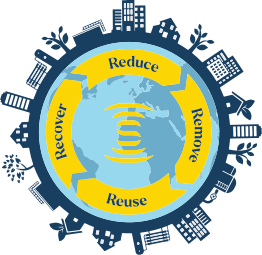
These solutions help reduce overall water demand while preserving critical resources.
Improving Resilience
Healthcare facilities must remain operational during emergencies. On-site treatment and reuse systems can provide an additional layer of resilience by reducing dependence on external infrastructure.
A Smarter Approach to Resource Management
Investing in sustainable water infrastructure not only supports environmental objectives but also helps healthcare organizations manage costs and improve long-term operational reliability.
As healthcare leaders evaluate future capital investments, water management should remain a key component of facility planning.