Columbus
New Jersey
 |
 |
 |
 |
 |
 |
 |
 |
|---|
|
|
|
|
|
|
|
|
|---|
Summary
Over a six-year period, NSU led a series of significant upgrades to the Mansfield wastewater treatment system, developed in collaboration with the New Jersey Department of Environmental Protection and supported by funding from the New Jersey 1981 Water Supply State Bond Fund. These enhancements have enabled the facility to produce high-quality recycled water, which is now used for maintaining residential grounds while supporting key state objectives related to Smart Growth.
NSU continues to provide comprehensive operations and maintenance services at the Mansfield treatment plant. The treatment process features two large partial-mix aerated lagoons, followed by a Lamella plate settling unit, sand filtration, breakpoint chlorination, dechlorination, and post-aeration before safely discharging treated water to surface waterways.
Challenge
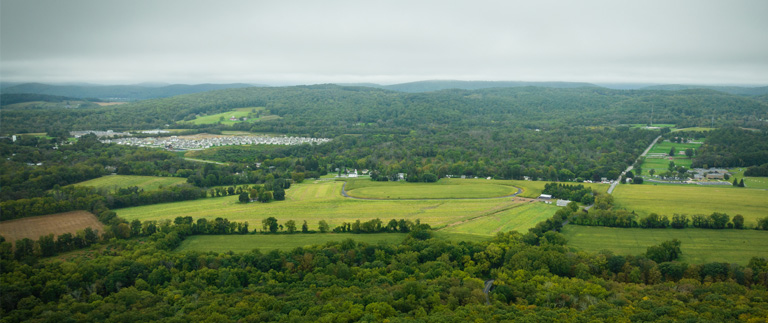
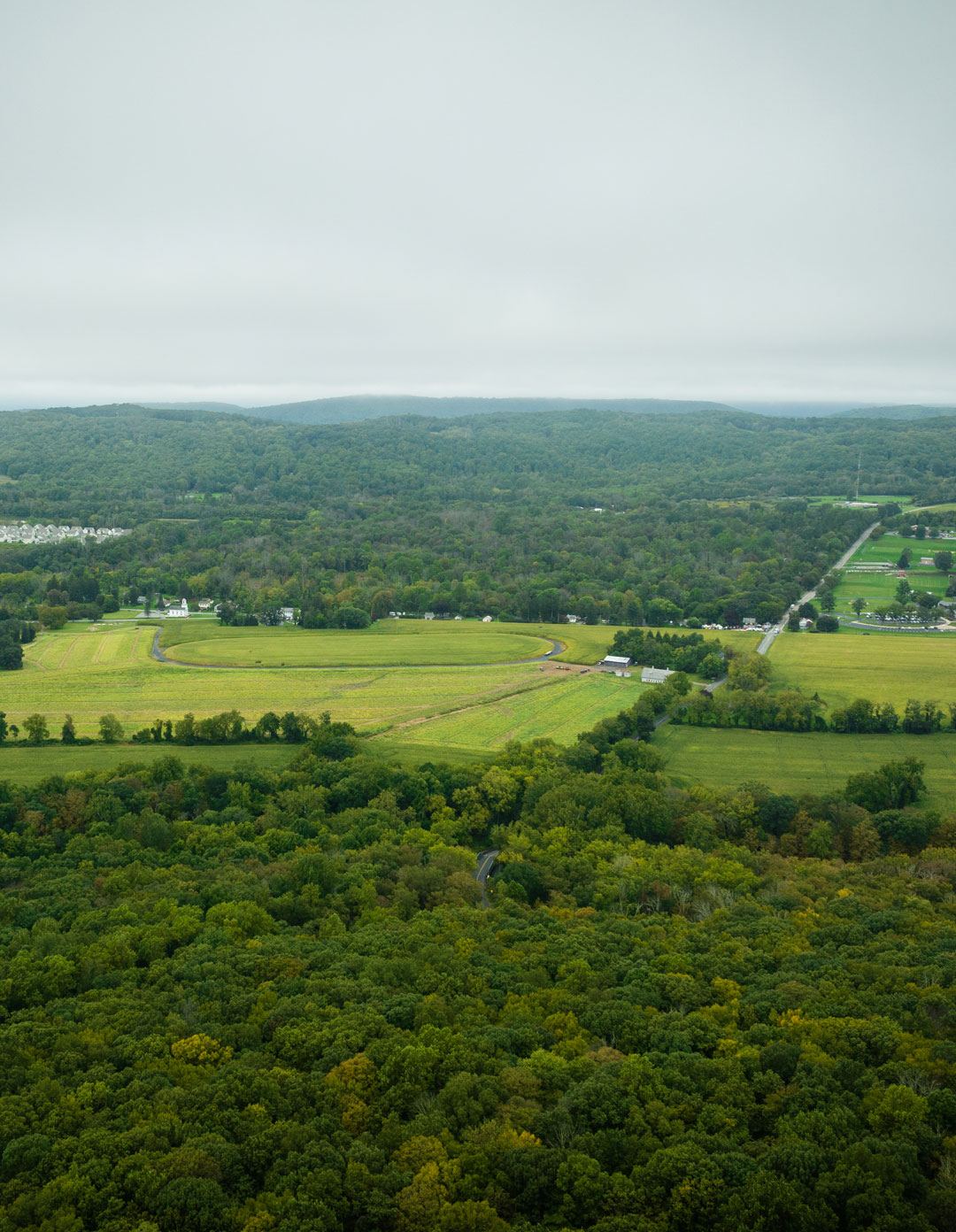
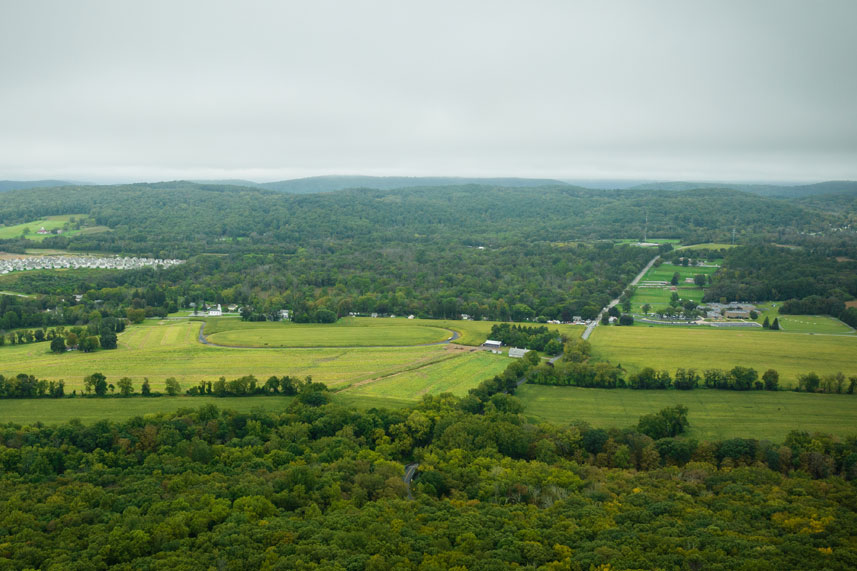
In 1999, NSU took over operations of the community’s existing wastewater treatment facility, originally designed to serve a 1,200-residence community of adults aged 55 and older. Situated on a sprawling 295-acre site, the facility is permitted to discharge up to 250,000 gallons per day into Assiscunk Creek—a New Jersey Department of Environmental Protection (NJDEP) designated Category 1 waterway. This designation reflects the creek’s critical environmental value to the local watershed and the diverse wildlife it supports, requiring NSU to exercise exceptional care and precision during the final discharge stage to ensure protection of this sensitive ecosystem. Balancing the needs of the community while safeguarding such a vital natural resource posed a significant operational challenge.
Solution
In May 2005, NSU obtained a Category 1 Reclaimed Water for Beneficial Reuse (RWBR) permit modification, followed by a Treatment Works Approval (TWA) in June 2005, allowing the facility to expand its discharge capabilities. The treated effluent consistently meets all New Jersey Department of Environmental Protection (NJDEP) water quality standards for both direct surface water discharge (DSW) and reclaimed water reuse (RWBR).
The reclaimed water is captured and stored in two on-site ponds, which supply the community’s irrigation system—previously reliant on potable water—for lawns and common areas. Operating since 2006, this innovative water reuse project was New Jersey’s first of its kind and earned the Governor’s Award for Environmental Excellence, demonstrating NSU’s commitment to sustainability and environmental stewardship.